
Building a Healthy and Beautiful Houseplant Collection for Indian Homes
A well-planned houseplant collection can completely change the way you feel about a home. Plants tend to bring freshness, calmness, and natural beauty into living spaces. In Indian homes, where spaces may be limited, choosing the right plants is very important. Just by making proper selections and providing basic care, anyone can maintain a thriving indoor and balcony garden. In this blog, we will explain common, easy-to-grow plants that are perfect for Indian weather conditions. Growing these plants will help you understand how to grow plants, maintain them, and arrange a balanced houseplant collection without stress.
Why a Houseplant Collection Matters
A good houseplant collection is not only about decoration. Plants help improve air quality. They reduce indoor heat and create a peaceful environment. Many plants also have medicinal or daily-use value. In cities where greenery is limited, indoor plants act as a natural connection to nature. Even a small houseplant collection can improve mood and make a home feel more alive.
Choosing the Right Plants
Not all plants are suitable for indoor spaces. Some often need strong sunlight, whereas others need open soil. A smart houseplant collection focuses on plants that grow well in pots, need moderate care, and can easily adapt to indoor or balcony conditions.
The plants discussed below are reliable and commonly grown in Indian homes.
1. Money Plant Sapling
 Money plant is one of the most popular plants. It is known for its fast growth and low maintenance. This plant grows well in both soil and water. You can easily place this plant on shelves, tables, or in hanging baskets. Money plants prefer indirect sunlight and do not need daily watering. Its trailing vines make it ideal for vertical gardening. It is also believed to bring positivity into homes, which makes it a common choice in Indian households.
2. Palm Plants (Decorative Palms)
 Palm plants add a classy and tropical look to your space. Some popular types include Areca Palm saplings and Ponytail Palm saplings. These plants grow well indoors when placed near windows with filtered sunlight. They require moderate watering and well-drained soil. Palm plants also help improve indoor air quality. Because of their height and structure, palms work well as floor plants in living rooms or balconies.
3. Tulsi Seeds
 Tulsi is an important part of many Indian homes. It is both a medicinal and a spiritual plant. Adding Tulsi to your space brings many health benefits along with greenery. Tulsi needs proper sunlight for healthy growth. It grows well in pots and requires regular watering. The leaves are commonly used for immunity support and respiratory health. This plant grows best when placed on balconies, near windows, or in open areas with sunlight.
4.Turmeric Bulb
 The turmeric plant is a great addition to a practical houseplant collection. It is grown from turmeric rhizomes and does well in pots. This plant prefers loose soil and partial sunlight. It needs regular but controlled watering. Turmeric plants take several months to mature, but they are worth the wait. Fresh turmeric grown at home is chemical-free and useful for cooking and traditional remedies.
5. Snake Plant Sapling
 Snake plant is one of the toughest indoor plants and a must-have. It can easily survive low light, irregular watering, and dry conditions. This makes it perfect for busy homes. Snake plants also help improve indoor air quality. It grows upright and does not spread much, making it suitable for small spaces like bedrooms and offices.
6. Spider Plant Sapling
 Spider plant is simple, attractive, and easy to grow. It fits well into any space, especially for beginners. This plant grows well in hanging pots and produces baby plants that can be replanted. It prefers indirect light and moderate watering. Spider plant is also well known for its air-purifying qualities and fast growth.
7. Peace Lily Plant Sapling
 Peace lily adds elegance to a houseplant collection with its dark green leaves and white flowers. It grows well indoors and prefers low to medium light. Peace lily needs moist soil but does not tolerate overwatering. This plant helps reduce indoor pollutants and is suitable for living rooms and bedrooms.
8. Ferns
 Ferns are classic foliage plants that bring softness and texture to a household plant collection. These plants prefer shaded areas and humid conditions. Ferns grow well indoors, especially in bathrooms or shaded balconies. They need regular misting and moist soil. Their delicate leaves make them excellent decorative plants.
Kitchen Garden Plants for Indoor Spaces
A useful houseplant collection can also include small edible plants. Kitchen garden plants grow well in pots and are easy to manage.
1. Coriander Seeds
Coriander grows quickly from seeds. It needs sunlight and regular watering.
2. Mint Seeds
Mint is fast-growing and spreads easily. It is best grown in separate pots.
3. Curry Leaves Sapling
Curry leaves saplings need sunlight and well-drained soil. They are useful for daily cooking.
4. Long Green Chilli Seeds
Green chilli plants grow well in pots with good sunlight and require moderate care. These plants provide fresh ingredients and reduce dependence on store-bought produce.
Arranging a Balanced Houseplant Collection
A good indoor plant collection includes a mix of:
- Tall plants like palms
- Hanging plants like money plant and spider plant
- Medicinal plants like Tulsi and turmeric
- Compact plants like snake plant
- Soft foliage plants like ferns
-
This balance improves both appearance and functionality.
Soil and Pot Selection
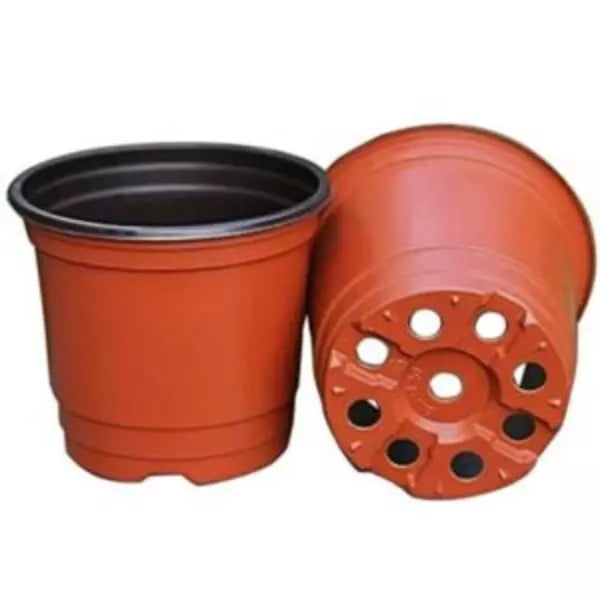
Healthy plants depend on good soil. Most plants in this list require well-drained soil mixed with compost. Pots should always have drainage holes. Clay pots are good for airflow. Plastic pots retain moisture and suit indoor plants. Choosing the right pot size helps roots grow properly.
Watering and Light Basics
Overwatering is the most common mistake in maintaining an indoor garden.
- Water only when the top layer of soil feels dry
- Avoid water stagnation
- Morning watering is best
-
Light requirements vary by plant. Always place plants according to their sunlight needs.
Seasonal Care Tips
Indian seasons affect plant growth.
- Summer: Increase watering and protect plants from harsh sunlight
- Monsoon: Improve drainage and prevent fungal issues
- Winter: Reduce watering and protect plants from cold drafts
-
Seasonal care keeps a houseplant collection healthy throughout the year.
Benefits of Maintaining Indoor Plants
A well-maintained houseplant collection offers many benefits:
- Cleaner indoor air
- Reduced stress
- Better focus and calmness
- Fresh herbs at home
-
Improved home aesthetics
Plants create a peaceful environment and improve overall quality of life.
Conclusion
Creating a successful houseplant collection does not require expert knowledge. With the right plant choices, simple care, and regular observation, any home can support healthy plant growth. From decorative palms to useful kitchen herbs, every plant plays a role. Start with a few plants, learn their needs, and slowly expand your collection. Green spaces grow with patience, and every leaf adds life to a home. You can get all the materials required, from saplings to seeds, from The Affordable Organic Store’s official website. So why not start your gardening journey today?
Here are some other blogs which make your Green Space more Greener!
- Gardening Calendar Blogs
- Sustainable Gifting Ideas
- Gardener Stories
- Garden Care Blogs
- Miniature Garden Decor
- Gardening Workshops
Have a look at some amazing Videos on Gardening that might help you!
- Tips on planting homegrown plants and creating art with them as a beginner.
- How to preserve, plant, and grow flower seeds in monsoon, winter, and other seasons.
- Growing different vegetables, winter vegetables especially, and tips and tricks to preserve.
- Preserving fruits such as strawberries, Papaya, watermelon, muskmelon, etc.
- Know all about microgreens using examples such as microgreen spinach, microgreen sunflower, microgreen mustard, microgreen flax, etc.
- Using gardening tools such as pots, trays, growing bags, moss sticks, watering cans, etc.
Here are some Workshops that might help you if you are new to Gardening!
- Convert your small space into a green jungle.
- How to upcycle DIY’s for home decor
- Watch our workshop on using biochemical enzymes instead of chemicals in gardening.
- Workshop on stepping towards sustainability.