
Growing Indoor Aloe Vera Plant: Step-by-Step Guide for Beginners
Did you know the Aloe Vera plant was called the “plant of immortality” in ancient times Aloe Vera is one of the most attractive and useful plants. It is loved for its healing gel, low maintenance, and modern look. In India, Aloe Vera is also called ‘Ghritkumari’ and has been used in Ayurveda for centuries for skin care, digestion, and overall wellness. If you’re just starting your indoor gardening journey, growing indoor Aloe Vera plant is one of the easiest and most rewarding choices. In this blog, we will discuss how to grow the Aloe Vera plant.
Why Aloe Vera?
 Aloe Vera has been considered a natural healer since ancient times. Its gel can help with burns, cuts, and skin irritation. Plus, it works as a natural air purifier, removing toxins and freshening up your home. Aloe Vera juice is consumed in many Indian households to improve digestion and immunity. Some people also use it as a natural conditioner for hair. Its thick, green, spiky leaves add a touch of style to your living room, balcony, or even your study table.
Step 1: Choosing the Right Pot
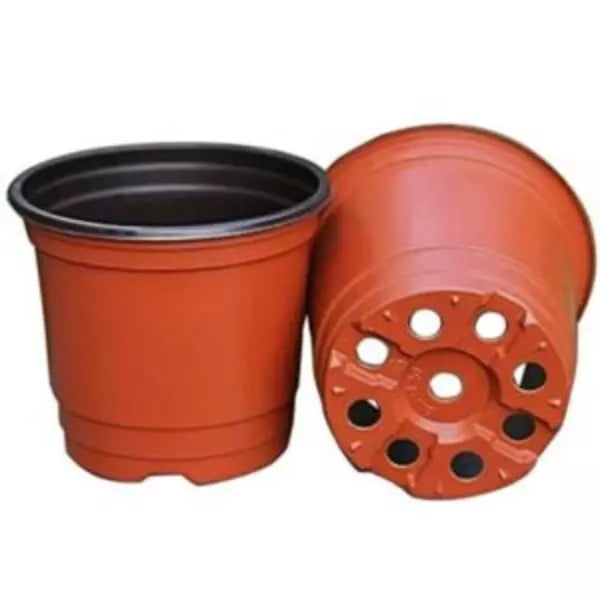
 Growing aloe vera plant in terracotta or clay pots that have drainage holes is best. It hates soggy roots, so proper drainage is necessary. A wide pot works better than a deep one because the roots of the Aloe Vera plant spread outward, not downward.
Step 2: The Perfect Soil

Step 3: Light Requirements
 Aloe loves bright, indirect sunlight. Place your pot near a south or west-facing window where it can get the right amount of sunlight. If your Aloe vera plant starts to turn brown or shrivel, it might be because it is getting too much sun. If the leaves are pale, it means they need more light.
Step 4: Watering the Right Way
 This is where most beginners make mistakes while growing indoor aloe vera plant. Aloe Vera is a desert plant, so it doesn’t require much water. Here's what you can do:
- Water your Aloe Vera plant only when the top layer of soil feels dry.
- In summer, once every 2–3 weeks is enough.
- In winter, avoid overwatering your Aloe Vera plant.
Step 5: Feeding Your Aloe

Step 6: Repotting When Needed

Step 7: Harvesting Aloe Gel
 While growing indoor aloe vera plants, make sure once your Aloe is mature with thick leaves, cut a healthy outer leaf, wash it, and scoop out the gel. You can use it fresh for burns, skincare, or even hair masks.
Common Mistakes to Avoid
- Overwatering – Waterlogged roots rot quickly and may kill the plant.
- Wrong soil – Avoid heavy garden soil without drainage for growing your indoor aloe vera plant.
- Too little light – Aloe vera plant may get weak and floppy in dark corners.
Conclusion
Growing indoor Aloe Vera plant is simple, fun, and rewarding. With just a little care, you’ll have a plant that decorates your home and also gives you endless health benefits. The best part is that the Aloe vera plant multiplies quickly, with just one plant you can make a huge garden. If you’re ready to begin, all you need is a pot, some soil, and a small Aloe plant. You can find all the materials required, from pots to saplings, on The Affordable Organic Store website. So why not start your gardening journey today?
Here are some other blogs which make your Green Space more Greener!
Have a look at some amazing Videos on Gardening that might help you!
- Tips on planting homegrown plants and creating art with them as a beginner.
- How to preserve, plant, and grow flower seeds in monsoon, winter, and other seasons.
- Growing different vegetables, winter vegetables especially, and tips and tricks to preserve.
- Preserving fruits such as strawberries, Papaya, watermelon, muskmelon, etc.
- Know all about microgreens using examples such as microgreen spinach, microgreen sunflower, microgreen mustard, microgreen flax, etc.
- Using gardening tools such as pots, trays, growing bags, moss sticks, watering cans, etc.
Here are some Workshops that might help you if you are new to Gardening!
- Convert your small space into a green jungle.
- How to upcycle DIY’s for home decor
- Watch our workshop on using biochemical enzymes instead of chemicals in gardening.
- Workshop on stepping towards sustainability.
Happy Gardening!
- Want to know more? Do follow us on Instagram to stay updated on the latest gardening trends.
- Watch the video and get the complete gardening guide to begin your journey as a gardener!